


Your MVP should solve one clear problem
Every strong MVP begins with focus. Before you think about features, you need to understand the single problem your product exists to solve. That clarity guides everything that follows, from design to messaging.
Startups often struggle because they try to please everyone. A sharper problem statement creates a sharper solution.
According to the early chapters of the guide, the process starts with refining the idea itself — stripping out everything that doesn’t support the core goal.


Knowing your target market makes decisions easier
Your MVP exists to learn from real people, so understanding those people is essential. Market research, interviews, social listening and basic surveys help you identify the pains, motivations and behaviours that matter most.
This stops you from guessing and helps you prioritise features based on what the audience actually needs, not what feels exciting to build.

Feature prioritisation is where most MVPs succeed or fail
Every feature you add increases time and cost. That’s why prioritisation is essential. Frameworks like MoSCoW, the Kano Model and simple impact–effort analysis help you cut down to the essentials.
Your MVP should only include what you need to validate your assumptions. Nothing more. Nothing excessive. Learning beats perfection.

Prototyping lets you test ideas before you build them
Prototyping is one of the most powerful parts of MVP development. It lets you create something people can interact with long before you commit to coding or manufacturing.
The guide breaks prototypes into low, medium and high fidelity, each serving a different purpose — from early concepts to polished simulations. Prototypes reduce risk and help you uncover issues long before they become expensive.
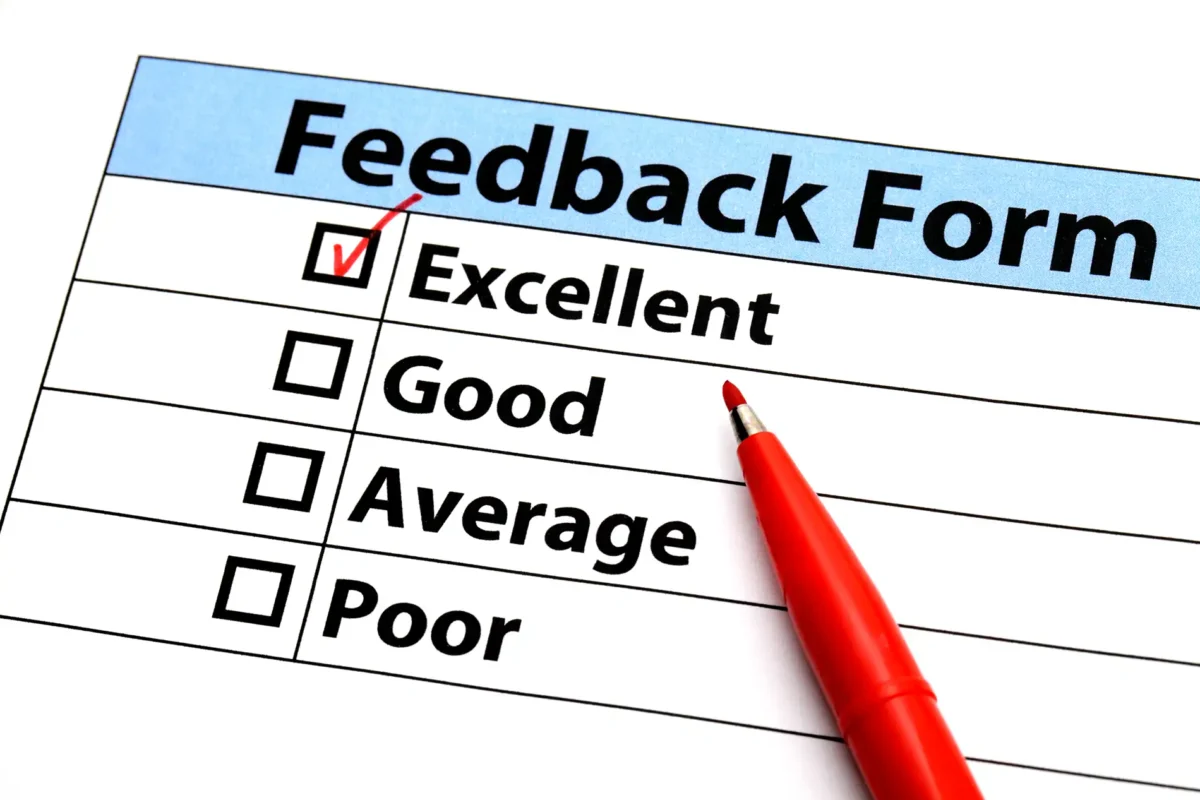
Real user feedback drives the whole process
Your MVP lives or dies based on the feedback you gather. Testing doesn’t need to be complicated. Even five to eight people from your target audience can reveal most of the early usability issues.
Short feedback loops, rapid improvements and quick retesting help you evolve the product at speed. This rhythm is what separates agile startups from slow-moving teams.
Want the full MVP Playbook?
If you want the complete breakdown of MVP frameworks, testing methods, iteration models and real-world examples, you can download the full guide below.