



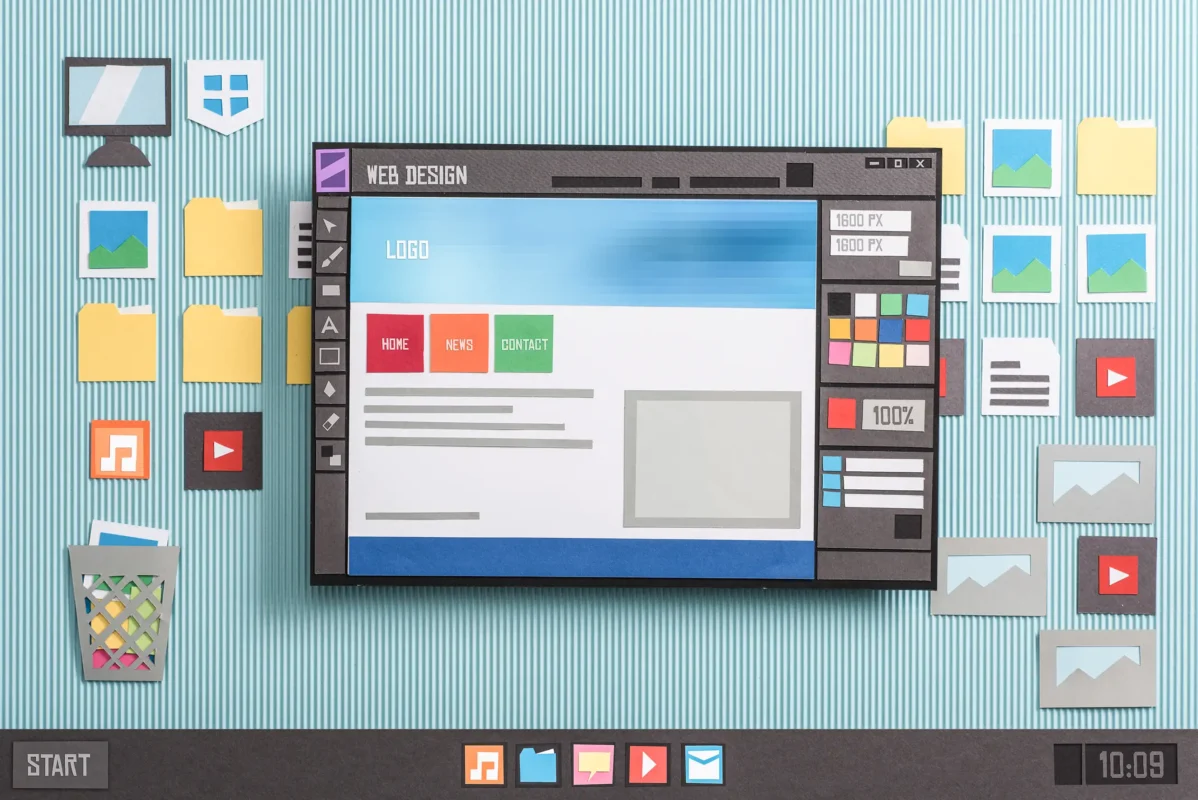
Your homepage is the first impression you make. The question is, does it land? Here’s a simple, up-to-date guide to building a homepage that reflects your brand, captures attention, and supports digital business development for the long haul.

1. Plan with Purpose
Start by mapping your customer’s journey – who they are, what they want, and what actions matter most. A strong homepage doesn’t just look good; it delivers clarity and guides visitors into your ecosystem.

2. Communicate Clearly
Your homepage must tell people who you are and what you do, immediately and simply. Think of it as the headline of your business story.
3. build for accessibility and inclusivity
Inclusive design is becoming non‑negotiable. Think “Comfort Mode” – letting users customize contrast, text size, and animation not only meets accessibility standards but earns trust and expands your audience
- Embrace Dark Mode Options
Dark mode isn’t just trendy. With over 80% of mobile users preferring it in certain conditions, providing this option shows attention to comfort and reduces eye strain
- Use Progressive Enhancement as Your Build Strategy
Design for reliability. Serve core content first through lightweight HTML, then layer on styles and interactions with CSS and JavaScript. It ensures your site works even in low-connectivity environments and validates smoothly
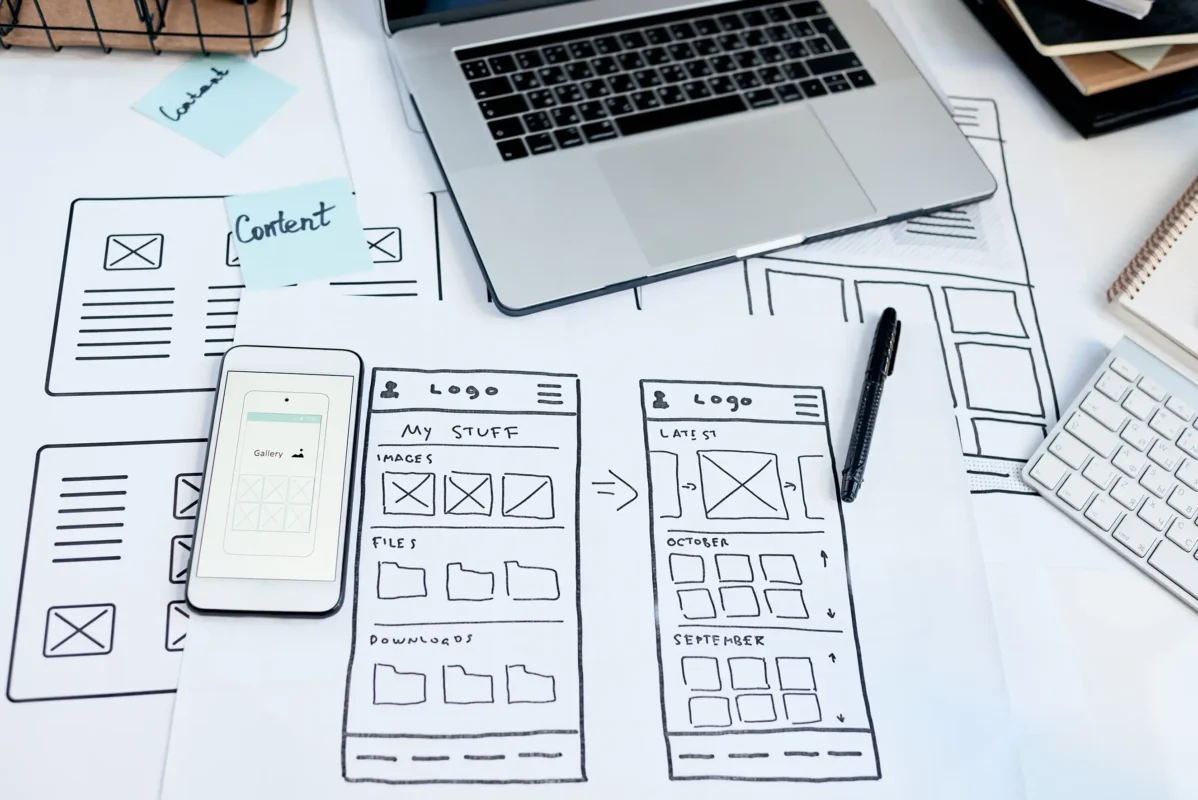
- Keep UX Simple and Intentional
Clear layout, intuitive navigation, and sharp typography are key. Minimalist design isn’t just elegant, it loads faster and focuses your visitor’s attention on what matters next.
These fundamentals go beyond aesthetics. They make your site smarter, faster, and more inclusive, building credibility while supporting your broader digital business development ambitions.
For inclusive, modern web design principles, take a look at W3C WAI’s “Designing for Web Accessibility”:
